CMiC Performance Consulting & Oracle Database Support
When CMiC Slows Down, Your Business Shouldn't Have to Wait.
Payroll needs to finish. Billing needs to move forward. Your team needs reports they can rely on without planning their day around how long they take to run.
When CMiC performance problems disrupt those processes, the underlying cause isn't always within the application itself.
Symmetry Resource Group helps construction companies identify and resolve performance problems within the Oracle databases and infrastructure supporting CMiC. From inefficient SQL execution plans to database maintenance and system bottlenecks, we address technical issues that application-level support alone may not resolve.
Our strongest fit is on-premises and customer-managed CMiC environments where specialized Oracle database and infrastructure expertise can make a meaningful difference.
Whether you're dealing with recurring slowdowns, unresolved support tickets, or an upcoming upgrade, we'll help you understand what's happening and determine the right next steps.
Discuss Your CMiC Performance Issues
Start with a complimentary conversation about your CMiC environment, the challenges you're experiencing, and where Symmetry may be able to help.
Proven CMiC Performance Improvements for Miron Construction
When Miron Construction engaged Symmetry Resource Group, its CMiC environment was experiencing performance problems affecting payroll, project billing, and everyday ERP operations.
The company had accumulated unresolved support tickets, lacked sufficient visibility into its Oracle database and Linux infrastructure, and needed its environment ready for a CMiC version upgrade.
Symmetry began with a performance assessment to identify the underlying technical problems.
Our engineers investigated Oracle SQL execution plans, database locking and blocking, infrastructure performance, and monitoring gaps. We then implemented targeted improvements without modifying CMiC application code.
The Results
The engagement also delivered improved response times for critical queries and proactive monitoring across production, conversion, and test environments. Our engineers completed upgrade readiness work, documenting the Oracle database dependencies that needed to be accounted for before Miron's CMiC version upgrade.
What began as a performance assessment developed into an ongoing support relationship, helping Miron maintain system reliability and visibility rather than relying entirely on reactive troubleshooting.
These results demonstrate why understanding the technical systems beneath CMiC can be so important before considering more expensive or disruptive changes.
Slow CMiC Payroll, Billing, and Reporting Affect More Than IT
CMiC connects critical construction business processes, including payroll, job costing, financial management, and project accounting.
When one of those processes slows down, the consequences can extend across your organization.
Payroll Delays Put Critical Deadlines at Risk
Payroll is a business deadline, not just another batch job.
When processing takes longer than expected, payroll staff lose time for review, finance teams face additional pressure, and IT gets pulled into investigating another urgent problem.
Repeated delays can force employees to start earlier, work later, or change how they schedule other activities around payroll processing.
We help investigate the technical conditions that may be extending processing times, including database execution plans, resource contention, and infrastructure performance.
The objective is to identify the cause and help restore a dependable processing window.
Billing and Reporting Problems Slow Financial Operations
Payroll isn't the only process that matters.
A slow CMiC billing recalculation can delay invoicing. For one Symmetry client, a billing recalculation had grown to 20 to 30 minutes. After our engineers addressed the underlying database issue, it completed in about 3 minutes. Financial reports that once finished quickly may become something employees launch and return to later. Delays accessing job costing information can complicate routine financial reviews.
These problems are particularly frustrating when the application still functions but no longer performs efficiently.
When multiple processes experience delays, treating every complaint as an isolated ticket may overlook a shared underlying problem.
Symmetry helps connect the symptoms your employees experience with what's happening within the database and supporting infrastructure.
Your finance and operations teams shouldn't need to diagnose Oracle performance issues themselves. They should be able to explain what's happening, when it matters, and how it's affecting their work.
Our engineers help turn those observations into a technical investigation.
What's Actually Causing Your CMiC Performance Problems?
"CMiC is slow" describes the experience. It doesn't identify the cause.
An application can appear to function normally while its underlying database is spending unnecessary time processing queries, waiting on resources, or competing with other workloads.
For customer-managed CMiC environments, several technical conditions may be contributing to the problem.
Inefficient Oracle SQL Execution Plans
Oracle's optimizer determines how database queries retrieve and process information.
As workloads and data volumes change, SQL statements that previously performed efficiently can begin using less effective execution plans.
Targeted SQL analysis and performance tuning can help determine whether execution plans are contributing to slow payroll, billing, reporting, or other transactions.
Database Locking and Blocking
Different CMiC transactions may compete for the same database resources.
When one session holds a lock that another session needs, processing can be delayed until that resource becomes available.
Understanding which sessions are waiting, what causes those waits, and how they affect business processes is essential to identifying the appropriate correction.
Database Maintenance and Configuration
Maintenance practices that were adequate when an environment was first implemented may no longer meet its requirements.
Optimizer statistics, indexing strategies, database configuration, and other maintenance activities can affect performance as systems grow.
The appropriate response depends on evidence from the environment, not a generic checklist of tuning changes.
Infrastructure and Operating System Bottlenecks
Oracle performance also depends on the infrastructure supporting the database.
CPU utilization, memory pressure, storage performance, filesystem capacity, and operating system conditions can all influence how quickly transactions complete.
For on-premises CMiC environments, investigating these components requires visibility beyond the application itself.
Limited Monitoring and Performance Visibility
Some organizations discover performance problems only after employees report them.
Without reliable monitoring and historical measurements, it can be difficult to determine when an issue began, what changed, or whether a proposed correction worked.
Better visibility helps teams investigate recurring problems and recognize emerging risks before they become major business disruptions.
Not every CMiC performance problem originates in Oracle or Linux. Application defects, configuration issues, integrations, and business rules can also contribute.
The purpose of a technical assessment is to identify where the problem belongs before recommending a solution.
How Symmetry Approaches CMiC Performance Troubleshooting
When an important CMiC process isn't performing as expected, our investigation begins with the work your organization needs to complete.
We don't start by assuming you need additional hardware, a database upgrade, or a different ERP platform.
We start by understanding the problem.
Understand the Business Impact
Which processes are affected? When do delays occur? How long should the work normally take?
For payroll, that may mean understanding processing windows and deadlines. For billing or reporting, it may mean identifying particular transactions that have become noticeably slower.
Those details help establish priorities and determine what needs investigation.
Investigate the Underlying Technical Environment
Where access and support responsibilities permit, we examine relevant Oracle database activity, infrastructure conditions, and performance history.
That may involve analyzing SQL execution plans, database waits, resource utilization, or maintenance conditions.
Our objective is to connect technical findings to the business processes being affected.
Recommend, Validate, and Maintain Improvements
Once the underlying cause is understood, we can recommend targeted corrections within our authorized scope.
Changes should have a clear purpose, appropriate testing, and an agreed implementation process.
We also establish how improvements will be measured.
If the objective is improving payroll processing, for example, success should be evaluated against a representative payroll run, not simply a database metric that looks better after a change.
For organizations needing ongoing support, Symmetry can help maintain performance visibility, monitor the environment, and investigate emerging technical problems.
Our approach emphasizes documentation, knowledge transfer, and collaboration with your internal team.
Oracle Database and Infrastructure Services for CMiC
Performance troubleshooting is often where an engagement starts, but it isn't the only work a customer-managed CMiC environment needs.
Symmetry also supports the ongoing database and infrastructure responsibilities that keep CMiC available and recoverable:
- Performance tuning and monitoring: SQL analysis, execution plan stabilization, and visibility into how the environment behaves over time.
- Backup and recovery: Backup configuration, validation, and recovery procedures for the Oracle databases supporting CMiC.
- Patching: Planning, testing, and applying Oracle database and operating system patches.
- Disaster recovery: Designing, maintaining, and testing DR capabilities for the database and supporting infrastructure.
- Test environment refreshes: Refreshing test and conversion environments so validation work reflects production conditions.
- Oracle database upgrades: Planning and executing Oracle version upgrades, including dependency review, testing, and rollback planning.
Discuss Your CMiC Performance Issues
Tell us which processes are slowing down, what your team has already tried, and how the problems are affecting your business.
Nearshore Engineering Support That Works Alongside Your Team
Technical expertise matters, but so does being able to communicate with the people investigating your problem.
When payroll is delayed or an important financial process isn't working as expected, your internal team needs more than another ticket number.
They need engineers who can discuss the issue, review findings, and coordinate practical next steps during the hours your business operates.
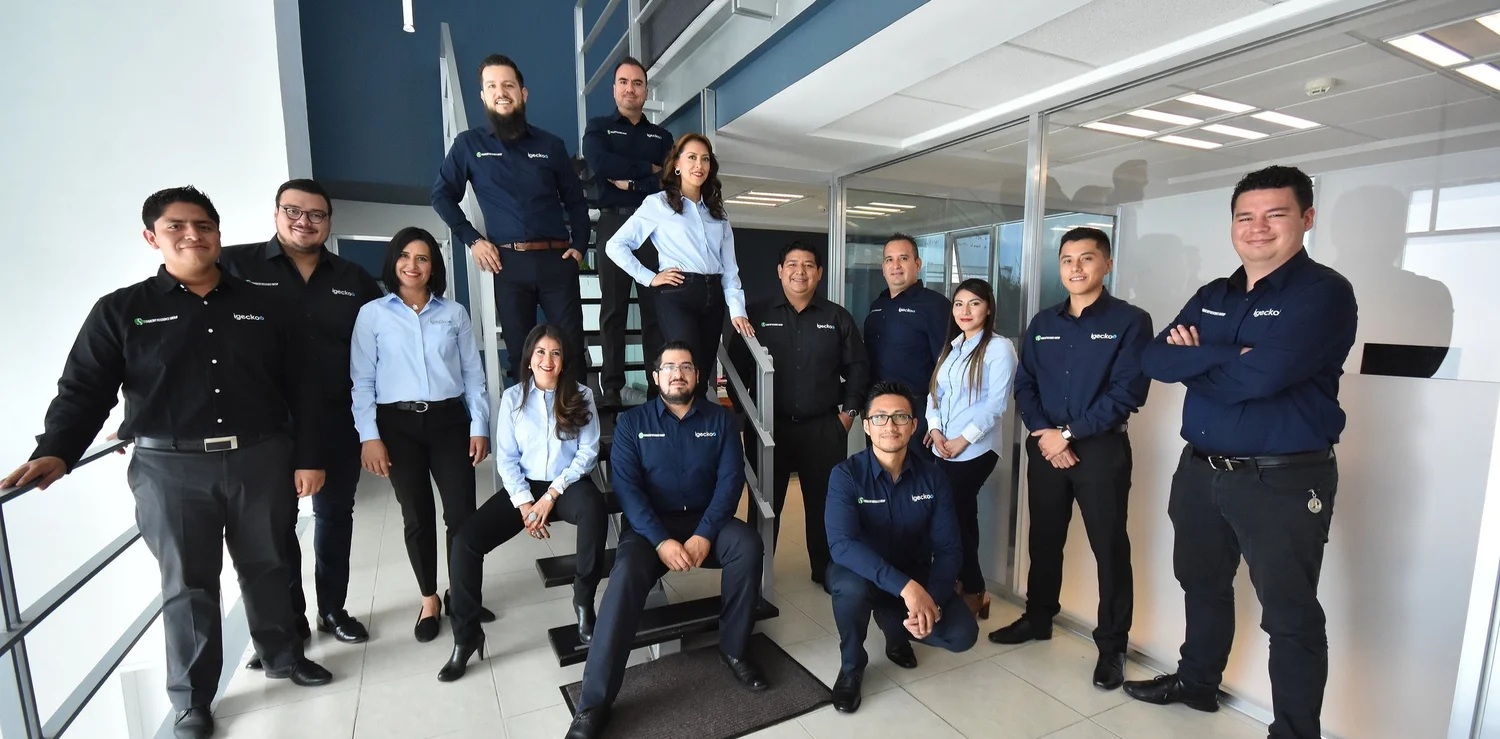
Symmetry's nearshore delivery model provides experienced engineering resources in Mexico, aligned with U.S. business hours.
That makes real-time collaboration possible without the communication delays that can arise when technical support operates primarily in distant time zones.
What Nearshore Support Means for Your Team
- Real-time troubleshooting: Engineers who can collaborate with your IT team during overlapping business hours.
- Clearer communication: The ability to discuss problems, review findings, and coordinate decisions without unnecessary overnight handoffs.
- Continuity of support: Familiarity with your environment and business priorities that develops through an ongoing relationship.
- Specialized technical capacity: Oracle database and infrastructure expertise that complements your existing IT staff.
- Greater accountability: Documented findings, agreed responsibilities, and improvements evaluated against the business processes that matter.
Our engineers work alongside your internal team rather than replacing it.
We structure engagements around your actual needs, whether that means investigating one persistent issue, supporting an upcoming change, or providing ongoing database and infrastructure administration.
For construction companies with lean IT departments, this provides access to specialized technical expertise without requiring every capability to be maintained internally.
The goal is responsive, collaborative technical support that helps your team resolve problems and maintain greater control over its environment.


On-Premises and Cloud CMiC: Understanding Where Support Fits
How your CMiC environment is deployed affects which technical issues can be investigated independently and which responsibilities belong to the application or hosting provider.
On-Premises CMiC: Specialized Support for the Systems You Manage
For organizations running CMiC on-premises, internal teams typically have greater responsibility for the Oracle database, operating system, and infrastructure.
That creates opportunities for specialized database administration, performance optimization, monitoring, and technical consulting.
Symmetry provides additional engineering capacity and expertise without requiring you to replace your internal team or existing application support.
An engagement may begin with a focused assessment and expand into ongoing support as the environment's needs become clearer.
Our experience with Oracle consulting and support and database administration services provides the foundation for this work.
CMiC Cloud: Access and Responsibilities Matter
CMiC also offers private-cloud Platform-as-a-Service and multi-tenant Software-as-a-Service deployment options.
In vendor-managed environments, access to the underlying Oracle database and infrastructure may be restricted.
That changes what an independent technical partner can investigate or modify.
Symmetry does not promise direct database or infrastructure changes where access is unavailable or those responsibilities belong to CMiC.
For companies considering a move to the cloud, we can help discuss technical preparation, existing dependencies, performance baselines, and assistance that may be possible under the relevant agreements.
Before making a hosting decision, it's important to understand what will change, which support responsibilities will remain, and how critical business processes will be validated after migration.
Moving to the cloud should be based on your organization's requirements, not an assumption that changing the hosting environment will automatically resolve performance problems.
Already Working With CMiC Support? That's Fine.
Bringing in an independent technical specialist doesn't necessarily mean changing your application vendor or replacing an existing support relationship.
Some of the most effective engagements involve multiple teams working together within their respective areas of expertise.
CMiC understands its application, configuration, and supported functionality.
Symmetry brings specialized experience with Oracle databases, Linux infrastructure, performance analysis, and the technical systems beneath the application.
When an issue involves those underlying components, we can investigate within the access and responsibilities established for the engagement, document our findings, and coordinate with the appropriate teams.
That's how our work with Miron Construction helped resolve outstanding database and operating-system-related issues while complementing CMiC's application support.
We understand that your organization may have established vendor relationships, support agreements, and internal approval processes.
Those arrangements should be reviewed before technical work begins, especially when third-party access or changes to vendor-supported components are involved.
You don't need to choose between CMiC support and independent technical expertise before having a conversation with us.
We can help determine whether the problem falls within our scope and what would be required to investigate it appropriately.
CMiC Consulting, Upgrade Planning, and Change Management
Sometimes the immediate problem is poor performance. Other times, your organization is preparing for a larger change and needs help understanding its technical requirements.
A planned CMiC upgrade, infrastructure change, or migration can introduce risks if the current environment hasn't been properly assessed.
Existing performance problems, undocumented dependencies, and important business deadlines should be considered before work begins.
Symmetry can help evaluate the technical environment, identify dependencies, and plan database and infrastructure work associated with changes within our expertise.
Plan Changes Around Your Business Processes
A successful technical change needs to work for the people who depend on the system.
For a payroll-sensitive change, that means protecting processing dates, defining representative tests, and involving payroll personnel in validating the results.
For billing or reporting, it means confirming which transactions and outputs must continue functioning correctly.
Before proceeding, a practical change plan should answer:
- Which systems and business processes will be affected?
- What technical dependencies and risks need to be understood?
- Who is responsible for implementing and approving each change?
- What testing is required before production?
- How will the business confirm the change was successful?
- What happens if results don't meet expectations?
Performance baselines, testing, documentation, and rollback planning can all help reduce uncertainty.
Our consulting and change-planning services focus on the technical systems supporting CMiC and the coordination required to make appropriate changes safely.
We do not position this offering as a replacement for CMiC implementation, module configuration, or end-user training.
For organizations considering a broader ERP replacement, we can help evaluate technical dependencies, data requirements, and infrastructure readiness within our areas of expertise, working alongside the appropriate application and implementation specialists.
The objective is to understand what needs to change, why it matters, and how the work can proceed with minimal unnecessary disruption.
Start With the CMiC Problem That's Costing You the Most
You don't need a complete technical diagnosis before contacting us.
You need a clear example of what's getting in the way.
Maybe payroll consistently takes longer than expected. Maybe billing or reporting has slowed down. Perhaps support tickets remain unresolved, or an upgrade is approaching and your team wants a better understanding of the environment.
Our first conversation focuses on your specific issue, how your CMiC environment is managed, what support is already in place, and the impact on your business.
We'll discuss possible technical causes, where Symmetry may be able to help, and what a practical next step could look like.
If there's a fit, we can define an assessment, consulting, or ongoing support engagement with clear priorities.
If the problem belongs with your application provider or requires access we aren't authorized to use, we'll be direct about that too.
Discuss Your CMiC Performance Issues
Schedule a complimentary, no-obligation conversation with Chris Laswell, Managing Director of Symmetry Resource Group.
Tell us what's slowing down, when it happens, and what your team needs to accomplish.
Frequently Asked Questions
Can Symmetry help if we already have CMiC support?
Yes, where the work falls within our technical scope and applicable agreements permit it.
We complement existing application support by investigating Oracle database and infrastructure issues, documenting findings, and coordinating with the appropriate technical teams.
What types of CMiC performance problems do you investigate?
Our work focuses on technical issues such as inefficient Oracle SQL execution plans, database locking and blocking, database maintenance, infrastructure bottlenecks, and insufficient performance monitoring.
These conditions can contribute to slow payroll, billing, reporting, and other CMiC processes. The exact scope depends on your deployment model, access, and the nature of the problem.
Does Symmetry provide ongoing CMiC support?
We provide ongoing Oracle database and infrastructure support for CMiC environments where the work falls within our expertise and authorized scope. That can include performance monitoring, backup and recovery, patching, disaster recovery, test environment refreshes, and Oracle database upgrades.
Our services complement internal IT teams and existing application support. We can also begin with a focused assessment to determine whether ongoing support is appropriate.
Can Symmetry support CMiC in the cloud?
That depends on the hosting model, access permissions, and responsibilities established in your agreement.
Our strongest fit is on-premises and customer-managed environments where we can directly investigate database and infrastructure performance.
For vendor-managed cloud environments, we can discuss technical analysis, migration preparation, and other assistance that may be possible without promising unauthorized access or changes.
Does Symmetry provide CMiC implementation or module training?
This offering focuses on the technical environment supporting CMiC, including Oracle database performance, infrastructure support, technical assessments, and upgrade or migration planning.
We don't present these services as comprehensive CMiC implementation, module configuration, or end-user training.
Can we start with one specific CMiC problem?
Absolutely.
A recurring payroll delay, slow report, unresolved support ticket, or other specific issue provides a useful starting point.
We can discuss the problem, determine whether it fits our technical expertise, and consider a focused assessment before recommending broader work.